Buy tabog.com ?
We are moving the project
tabog.com .
Are you interested in purchasing the domain
tabog.com ?
domain@kv-gmbh.de · 0541-91531010
Buy tabog.com ?
What are lung capillaries?
Lung capillaries are tiny blood vessels located in the lungs that are responsible for the exchange of oxygen and carbon dioxide between the blood and the air in the alveoli. These capillaries are extremely thin-walled, allowing for efficient diffusion of gases. The network of lung capillaries is extensive, covering a large surface area within the lungs to facilitate the exchange of gases during respiration. **
What are the functions of the capillaries?
Capillaries have several important functions in the body. They are responsible for the exchange of oxygen, nutrients, and waste products between the blood and the tissues. Capillaries also help regulate blood flow and blood pressure by constricting or dilating in response to various signals. Additionally, they play a role in the immune response by allowing white blood cells to move in and out of the bloodstream to fight infections. Overall, capillaries are crucial for maintaining the health and function of the body's tissues and organs. **

Similar search terms for Capillaries
Top-Angebote
Products related to Capillaries:
-
BasicLab Dermocosmetics Esteticus serum for capillaries and redness 10% Azelaic Acid 30 mlBasicLab Dermocosmetics Esteticus, 30 ml, Skin Serums for Women, Does it feel as though your skin needs something more than just the care provided by a cream? The BasicLab Dermocosmetics Esteticus facial serum is the perfect product to enrich your skincare routine – it pampers the skin and delivers an intensive treatment. With its high concentration of active ingredients, the effect it has on your skin is far more pronounced and faster than with a face cream. Its liquid consistency makes application easier, as it is absorbed into the skin very well. Characteristics: regenerates the skin and prevents irritation reduces excessive sebum production works on blemishes reduces redness smoothes out uneven skin texture suitable for sensitive skin has a soothing effect evens skin tone restores freshness and youthful beauty to your skin Ingredients: vegan product no perfume dermatologically tested salicylic acid – deep cleanses, unclogs pores and prevents blackheads, helps exfoliate dead skin and remove excess sebum How to use: Dab an appropriate amount of the serum gently into clean skin with your fingertips. Apply to the face, neck and chest. Apply to dry skin. Use every morning and/or evening. Only apply to intact skin.26,50 £*Shipping: 3,99 £Secure redirect to the provider
-
Uplifted Trends Snow Beach Toy Sand Castle Mold Fun Winter & Summer Outdoor Building Toy For Kids bTransform your childs playtime into a magical adventure with the snow beach toy sandcastle mold. Perfect for both winter and summer, this versatile toy allows kids to build their very own sandcastle molds in the snow or at the beach. Whether its...34,97 $*Shipping: 0,00 $Secure redirect to the provider




-
Why are there venous and arterial capillaries?
Venous and arterial capillaries serve different functions in the circulatory system. Arterial capillaries are responsible for delivering oxygenated blood from the heart to the tissues, while venous capillaries collect deoxygenated blood from the tissues and return it to the heart. This separation allows for efficient exchange of gases, nutrients, and waste products between the blood and the tissues. Additionally, the different pressures and oxygen levels in the arterial and venous systems require specialized capillaries to accommodate these differences. **
-
What are the similarities between arteries, veins, and capillaries?
Arteries, veins, and capillaries are all types of blood vessels that make up the circulatory system. They are all responsible for transporting blood throughout the body. Additionally, they are all lined with endothelial cells and contain smooth muscle tissue to help regulate blood flow. Despite their differences in structure and function, they work together to ensure proper circulation of oxygen, nutrients, and waste products throughout the body. **
-
How does the body prevent the equalization of gas concentration in the capillaries and alveoli?
The body prevents the equalization of gas concentration in the capillaries and alveoli through a process called ventilation-perfusion matching. This process ensures that the amount of air reaching the alveoli matches the amount of blood reaching the capillaries surrounding the alveoli. This prevents the equalization of gas concentration by maintaining a concentration gradient between the alveoli and the capillaries, allowing for efficient gas exchange. Additionally, the presence of surfactant in the alveoli helps to reduce surface tension and prevent alveolar collapse, further maintaining the concentration gradient. **
-
Will it snow in winter?
The likelihood of snow in winter depends on the specific location and the prevailing weather patterns. In some regions, snow is a common occurrence during the winter months, while in others it may be rare. Factors such as temperature, humidity, and atmospheric conditions all play a role in determining whether it will snow. It is best to consult local weather forecasts and historical data to get a better idea of the likelihood of snow in a particular area during winter. **


How does our body prevent the gas concentrations in the blood of the capillaries and the lung alveoli from being equalized?
Our body prevents the gas concentrations in the blood of the capillaries and the lung alveoli from being equalized through the process of diffusion. In the lungs, oxygen diffuses from the alveoli into the blood in the capillaries, while carbon dioxide diffuses from the blood into the alveoli to be exhaled. This process is facilitated by the difference in partial pressures of oxygen and carbon dioxide between the alveoli and the blood. Additionally, the structure of the alveoli and capillaries, as well as the presence of a thin membrane, also help to maintain the concentration gradient and prevent equalization of gas concentrations. **
Why does snow only snow white in winter? Does the snow know it's not summer?
Snow appears white in winter because of the way light interacts with its crystalline structure. When light hits the complex, irregular surfaces of snowflakes, it gets scattered in all directions, resulting in the appearance of white. The snow itself does not "know" it's not summer; its color is simply a result of its physical properties and the way light interacts with it. In the summer, snow may melt and lose its white appearance, but this is due to changes in temperature and not because the snow "knows" anything about the season. **
Top-Angebote
Products related to Capillaries:
-
Bielenda Chestnut reinforcing cream for broken capillaries 50 mlBielenda Chestnut, 50 ml, Moisturisers for Women, How to use: Apply to clean skin and massage in using circular movements. Apply to the face, neck and chest. Use every morning and/or evening.5,20 £*Shipping: 3,99 £Secure redirect to the provider
-
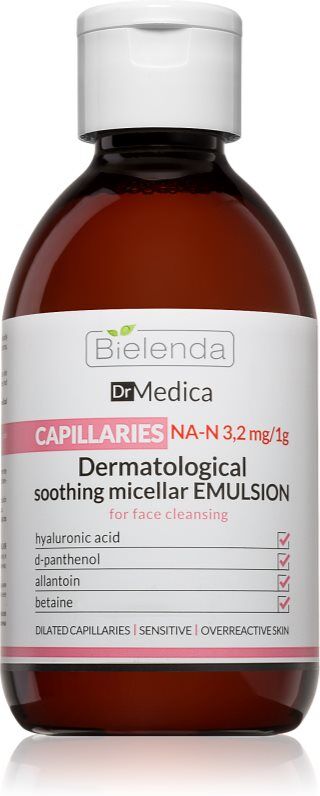
Bielenda Dr Medica Capillaries micellar lotion anti-redness 250 mlBielenda Dr Medica Capillaries, 250 ml, Micellar Waters for Women, Characteristics: reduces skin blemishes removes even stubborn makeup How to use: Apply enough of the product to a cotton wool pad and wipe gently to remove makeup and clean the skin.3,80 £*Shipping: 3,99 £Secure redirect to the provider
-
BasicLab Dermocosmetics Esteticus serum for capillaries and redness 10% Azelaic Acid 30 mlBasicLab Dermocosmetics Esteticus, 30 ml, Skin Serums for Women, Does it feel as though your skin needs something more than just the care provided by a cream? The BasicLab Dermocosmetics Esteticus facial serum is the perfect product to enrich your skincare routine – it pampers the skin and delivers an intensive treatment. With its high concentration of active ingredients, the effect it has on your skin is far more pronounced and faster than with a face cream. Its liquid consistency makes application easier, as it is absorbed into the skin very well. Characteristics: regenerates the skin and prevents irritation reduces excessive sebum production works on blemishes reduces redness smoothes out uneven skin texture suitable for sensitive skin has a soothing effect evens skin tone restores freshness and youthful beauty to your skin Ingredients: vegan product no perfume dermatologically tested salicylic acid – deep cleanses, unclogs pores and prevents blackheads, helps exfoliate dead skin and remove excess sebum How to use: Dab an appropriate amount of the serum gently into clean skin with your fingertips. Apply to the face, neck and chest. Apply to dry skin. Use every morning and/or evening. Only apply to intact skin.26,50 £*Shipping: 3,99 £Secure redirect to the provider
-
What are lung capillaries?
Lung capillaries are tiny blood vessels located in the lungs that are responsible for the exchange of oxygen and carbon dioxide between the blood and the air in the alveoli. These capillaries are extremely thin-walled, allowing for efficient diffusion of gases. The network of lung capillaries is extensive, covering a large surface area within the lungs to facilitate the exchange of gases during respiration. **
-
What are the functions of the capillaries?
Capillaries have several important functions in the body. They are responsible for the exchange of oxygen, nutrients, and waste products between the blood and the tissues. Capillaries also help regulate blood flow and blood pressure by constricting or dilating in response to various signals. Additionally, they play a role in the immune response by allowing white blood cells to move in and out of the bloodstream to fight infections. Overall, capillaries are crucial for maintaining the health and function of the body's tissues and organs. **
-
Why are there venous and arterial capillaries?
Venous and arterial capillaries serve different functions in the circulatory system. Arterial capillaries are responsible for delivering oxygenated blood from the heart to the tissues, while venous capillaries collect deoxygenated blood from the tissues and return it to the heart. This separation allows for efficient exchange of gases, nutrients, and waste products between the blood and the tissues. Additionally, the different pressures and oxygen levels in the arterial and venous systems require specialized capillaries to accommodate these differences. **
-
What are the similarities between arteries, veins, and capillaries?
Arteries, veins, and capillaries are all types of blood vessels that make up the circulatory system. They are all responsible for transporting blood throughout the body. Additionally, they are all lined with endothelial cells and contain smooth muscle tissue to help regulate blood flow. Despite their differences in structure and function, they work together to ensure proper circulation of oxygen, nutrients, and waste products throughout the body. **
Similar search terms for Capillaries
-
Uplifted Trends Snow Beach Toy Sand Castle Mold Fun Winter & Summer Outdoor Building Toy For Kids bTransform your childs playtime into a magical adventure with the snow beach toy sandcastle mold. Perfect for both winter and summer, this versatile toy allows kids to build their very own sandcastle molds in the snow or at the beach. Whether its...34,97 $*Shipping: 0,00 $Secure redirect to the provider
-
How does the body prevent the equalization of gas concentration in the capillaries and alveoli?
The body prevents the equalization of gas concentration in the capillaries and alveoli through a process called ventilation-perfusion matching. This process ensures that the amount of air reaching the alveoli matches the amount of blood reaching the capillaries surrounding the alveoli. This prevents the equalization of gas concentration by maintaining a concentration gradient between the alveoli and the capillaries, allowing for efficient gas exchange. Additionally, the presence of surfactant in the alveoli helps to reduce surface tension and prevent alveolar collapse, further maintaining the concentration gradient. **
-
Will it snow in winter?
The likelihood of snow in winter depends on the specific location and the prevailing weather patterns. In some regions, snow is a common occurrence during the winter months, while in others it may be rare. Factors such as temperature, humidity, and atmospheric conditions all play a role in determining whether it will snow. It is best to consult local weather forecasts and historical data to get a better idea of the likelihood of snow in a particular area during winter. **
-
How does our body prevent the gas concentrations in the blood of the capillaries and the lung alveoli from being equalized?
Our body prevents the gas concentrations in the blood of the capillaries and the lung alveoli from being equalized through the process of diffusion. In the lungs, oxygen diffuses from the alveoli into the blood in the capillaries, while carbon dioxide diffuses from the blood into the alveoli to be exhaled. This process is facilitated by the difference in partial pressures of oxygen and carbon dioxide between the alveoli and the blood. Additionally, the structure of the alveoli and capillaries, as well as the presence of a thin membrane, also help to maintain the concentration gradient and prevent equalization of gas concentrations. **
-
Why does snow only snow white in winter? Does the snow know it's not summer?
Snow appears white in winter because of the way light interacts with its crystalline structure. When light hits the complex, irregular surfaces of snowflakes, it gets scattered in all directions, resulting in the appearance of white. The snow itself does not "know" it's not summer; its color is simply a result of its physical properties and the way light interacts with it. In the summer, snow may melt and lose its white appearance, but this is due to changes in temperature and not because the snow "knows" anything about the season. **
* All prices are inclusive of VAT and, if applicable, plus shipping costs. The offer information is based on the details provided by the respective shop and is updated through automated processes. Real-time updates do not occur, so deviations can occur in individual cases. ** Note: Parts of this content were created by AI.