Buy tabog.com ?
We are moving the project
tabog.com .
Are you interested in purchasing the domain
tabog.com ?
domain@kv-gmbh.de · 0541-91531010
Buy tabog.com ?
What are Japanese honorific suffixes?
Japanese honorific suffixes are used to show respect and politeness when addressing or referring to others. They are attached to the end of a person's name or title, and the choice of suffix depends on the person's social status, age, and relationship to the speaker. Common honorific suffixes include -san (used for both men and women in formal and informal situations), -sama (used to show utmost respect, often for customers or people of higher status), and -chan (used for endearment, often for children, close friends, or pets). Honorific suffixes are an important aspect of Japanese language and culture, reflecting the emphasis on social hierarchy and respect. **
What is the Japanese honorific with "cchi"?
The Japanese honorific with "cchi" is typically used to show familiarity or affection towards someone. It is often added to a person's name or nickname to express closeness or intimacy. This honorific is commonly used among friends, family members, or people who have a close relationship with each other. **


Similar search terms for Honorific
Top-Angebote
Products related to Honorific:
-
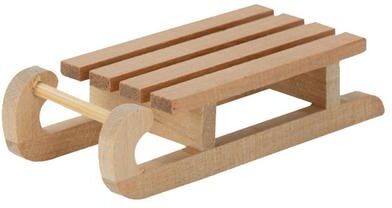
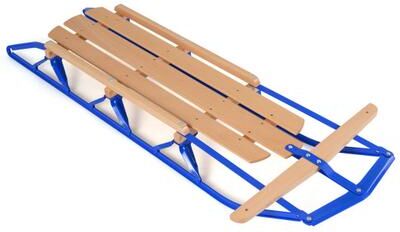
Youfap Market Wooden Sleigh Desktop Craft, Mini Simulation Snow Sled, Non Toxic Ornament For Crafts, Snow Sled Doll House Accessories united StatesAdd a Touch of Winter Magic This mini simulation snow sled brings a charming, festive vibe to any home. Crafted from nontoxic wooden sleigh material, it offers a delightful addition to your holiday or yearround decor. Whether placed on your mantel,...49,97 $*Shipping: 0,00 $Secure redirect to the provider


-
What is the Japanese honorific for brother?
The Japanese honorific for brother is "お兄さん" (onii-san) when addressing an older brother and "弟" (otouto) when addressing a younger brother. These honorifics are used to show respect and politeness when referring to one's brother in Japanese. **
-
What is the Japanese honorific for an older brother?
The Japanese honorific for an older brother is "onii-san" (お兄さん) or "onii-chan" (お兄ちゃん) when speaking in a more familiar or affectionate tone. These honorifics are used to show respect and affection towards an older brother in Japanese culture. **
-
How do I receive the English honorific title Sir and be elevated to knighthood?
To receive the English honorific title Sir and be elevated to knighthood, one must be nominated for the honor by someone else. Typically, individuals are nominated for their significant contributions to society, such as in the fields of charity, public service, or the arts. The nomination process involves a thorough review by the government and ultimately approval by the Queen. Once approved, the individual will participate in a ceremony where they will be dubbed a knight and receive the title Sir. **
-
Will it snow in winter?
The likelihood of snow in winter depends on the specific location and the prevailing weather patterns. In some regions, snow is a common occurrence during the winter months, while in others it may be rare. Factors such as temperature, humidity, and atmospheric conditions all play a role in determining whether it will snow. It is best to consult local weather forecasts and historical data to get a better idea of the likelihood of snow in a particular area during winter. **

Why does snow only snow white in winter? Does the snow know it's not summer?
Snow appears white in winter because of the way light interacts with its crystalline structure. When light hits the complex, irregular surfaces of snowflakes, it gets scattered in all directions, resulting in the appearance of white. The snow itself does not "know" it's not summer; its color is simply a result of its physical properties and the way light interacts with it. In the summer, snow may melt and lose its white appearance, but this is due to changes in temperature and not because the snow "knows" anything about the season. **
Are you hoping for snow this winter?
As an AI, I don't have personal preferences, but I understand that many people enjoy snow during the winter season for activities like skiing, snowboarding, and building snowmen. However, snow can also cause travel disruptions and safety concerns, so it's a mixed bag for many. Ultimately, whether someone is hoping for snow this winter depends on their individual preferences and circumstances. **
Top-Angebote
Products related to Honorific:
-
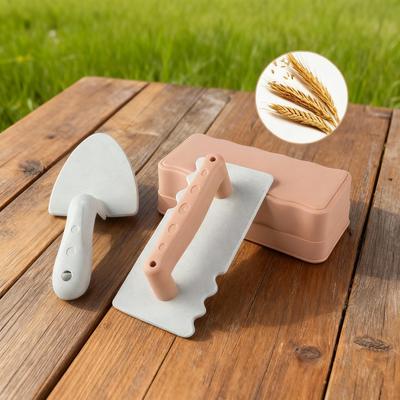
Uplifted Trends Snow Beach Toy Sand Castle Mold Fun Winter & Summer Outdoor Building Toy For Kids bTransform your childs playtime into a magical adventure with the snow beach toy sandcastle mold. Perfect for both winter and summer, this versatile toy allows kids to build their very own sandcastle molds in the snow or at the beach. Whether its...34,97 $*Shipping: 0,00 $Secure redirect to the provider
-
Youfap Market Wooden Sleigh Desktop Craft, Mini Simulation Snow Sled, Non Toxic Ornament For Crafts, Snow Sled Doll House Accessories united StatesAdd a Touch of Winter Magic This mini simulation snow sled brings a charming, festive vibe to any home. Crafted from nontoxic wooden sleigh material, it offers a delightful addition to your holiday or yearround decor. Whether placed on your mantel,...49,97 $*Shipping: 0,00 $Secure redirect to the provider
-
What are Japanese honorific suffixes?
Japanese honorific suffixes are used to show respect and politeness when addressing or referring to others. They are attached to the end of a person's name or title, and the choice of suffix depends on the person's social status, age, and relationship to the speaker. Common honorific suffixes include -san (used for both men and women in formal and informal situations), -sama (used to show utmost respect, often for customers or people of higher status), and -chan (used for endearment, often for children, close friends, or pets). Honorific suffixes are an important aspect of Japanese language and culture, reflecting the emphasis on social hierarchy and respect. **
-
What is the Japanese honorific with "cchi"?
The Japanese honorific with "cchi" is typically used to show familiarity or affection towards someone. It is often added to a person's name or nickname to express closeness or intimacy. This honorific is commonly used among friends, family members, or people who have a close relationship with each other. **
-
What is the Japanese honorific for brother?
The Japanese honorific for brother is "お兄さん" (onii-san) when addressing an older brother and "弟" (otouto) when addressing a younger brother. These honorifics are used to show respect and politeness when referring to one's brother in Japanese. **
-
What is the Japanese honorific for an older brother?
The Japanese honorific for an older brother is "onii-san" (お兄さん) or "onii-chan" (お兄ちゃん) when speaking in a more familiar or affectionate tone. These honorifics are used to show respect and affection towards an older brother in Japanese culture. **
Similar search terms for Honorific
-
Uplifted Trends Snow Beach Toy Sand Castle Mold Fun Winter & Summer Outdoor Building Toy For Kids aTransform your childs playtime into a magical adventure with the snow beach toy sandcastle mold. Perfect for both winter and summer, this versatile toy allows kids to build their very own sandcastle molds in the snow or at the beach. Whether its...34,97 $*Shipping: 0,00 $Secure redirect to the provider
-
How do I receive the English honorific title Sir and be elevated to knighthood?
To receive the English honorific title Sir and be elevated to knighthood, one must be nominated for the honor by someone else. Typically, individuals are nominated for their significant contributions to society, such as in the fields of charity, public service, or the arts. The nomination process involves a thorough review by the government and ultimately approval by the Queen. Once approved, the individual will participate in a ceremony where they will be dubbed a knight and receive the title Sir. **
-
Will it snow in winter?
The likelihood of snow in winter depends on the specific location and the prevailing weather patterns. In some regions, snow is a common occurrence during the winter months, while in others it may be rare. Factors such as temperature, humidity, and atmospheric conditions all play a role in determining whether it will snow. It is best to consult local weather forecasts and historical data to get a better idea of the likelihood of snow in a particular area during winter. **
-
Why does snow only snow white in winter? Does the snow know it's not summer?
Snow appears white in winter because of the way light interacts with its crystalline structure. When light hits the complex, irregular surfaces of snowflakes, it gets scattered in all directions, resulting in the appearance of white. The snow itself does not "know" it's not summer; its color is simply a result of its physical properties and the way light interacts with it. In the summer, snow may melt and lose its white appearance, but this is due to changes in temperature and not because the snow "knows" anything about the season. **
-
Are you hoping for snow this winter?
As an AI, I don't have personal preferences, but I understand that many people enjoy snow during the winter season for activities like skiing, snowboarding, and building snowmen. However, snow can also cause travel disruptions and safety concerns, so it's a mixed bag for many. Ultimately, whether someone is hoping for snow this winter depends on their individual preferences and circumstances. **
* All prices are inclusive of VAT and, if applicable, plus shipping costs. The offer information is based on the details provided by the respective shop and is updated through automated processes. Real-time updates do not occur, so deviations can occur in individual cases. ** Note: Parts of this content were created by AI.