Buy tabog.com ?
We are moving the project
tabog.com .
Are you interested in purchasing the domain
tabog.com ?
domain@kv-gmbh.de · 0541-91531010
Buy tabog.com ?
What type of inhibition occurs through allosteric activation/inhibition?
Allosteric inhibition occurs when a molecule binds to an allosteric site on an enzyme, causing a conformational change that reduces the enzyme's activity. This type of inhibition is non-competitive, meaning it does not compete with the substrate for the active site. Allosteric activation, on the other hand, occurs when a molecule binds to an allosteric site and enhances the enzyme's activity. Both allosteric inhibition and activation involve the binding of a regulatory molecule to a site other than the active site of the enzyme, leading to a change in the enzyme's activity. **
Is allosteric inhibition the same as non-competitive inhibition?
Allosteric inhibition and non-competitive inhibition are not the same, although they are related. Non-competitive inhibition refers to the binding of an inhibitor to a site on the enzyme that is not the active site, thereby preventing the substrate from binding to the active site. Allosteric inhibition, on the other hand, occurs when an inhibitor binds to a site on the enzyme that is distinct from the active site, causing a conformational change in the enzyme that reduces its activity. While both types of inhibition involve the binding of an inhibitor to a site other than the active site, allosteric inhibition specifically involves a change in the enzyme's shape and activity. **


Similar search terms for Inhibition
Top-Angebote
Products related to Inhibition:
-
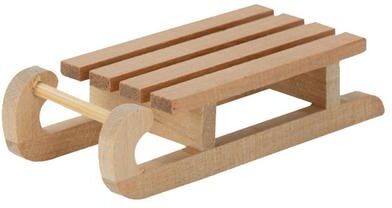
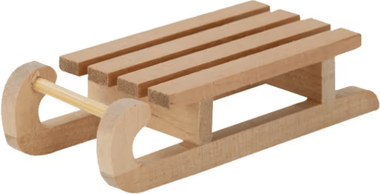
Youfap Market Wooden Sleigh Desktop Craft, Mini Simulation Snow Sled, Non Toxic Ornament For Crafts, Snow Sled Doll House Accessories united StatesAdd a Touch of Winter Magic This mini simulation snow sled brings a charming, festive vibe to any home. Crafted from nontoxic wooden sleigh material, it offers a delightful addition to your holiday or yearround decor. Whether placed on your mantel,...49,97 $*Shipping: 0,00 $Secure redirect to the provider
-
Enesco/Dept 56 Snow Much Fun Clothtique Red , RedThis pup always has Snow Much Fun snow tubing with Santa! The duo wears classic Santa hats as they slide through the glittery snow. Santa wears a shiny red jacket, a striped scarf, and a green bag of toys. One present on a spring appears to be...95,99 $*Shipping: 18,95 $Secure redirect to the provider
-
Inspire Picks Mini 1 To 12 Scale Wooden Snow Sled Ornament For Dollhouse And Desktop Decor Mini 1 To 12 Scale Wooden Snow Sled Ornament For Dollhouse And Desktop DecorAdd a touch of cozy winter charm to your miniature scenes. This mini wooden snow sled is crafted in 112 scale, making it a perfect fit for detailed displays and dollhouse settings. Designed with a realistic look and smooth wooden finish, this 112...99,89 $*Shipping: 0,00 $Secure redirect to the provider


-
What is the difference between competitive inhibition and allosteric inhibition?
Competitive inhibition occurs when a molecule competes with the substrate for the active site of an enzyme, effectively blocking the substrate from binding and inhibiting the enzyme's activity. In contrast, allosteric inhibition occurs when a molecule binds to a site on the enzyme other than the active site, causing a conformational change that reduces the enzyme's activity. While competitive inhibition directly competes with the substrate for the active site, allosteric inhibition involves binding to a different site on the enzyme to regulate its activity. **
-
Is allosteric inhibition irreversible?
Allosteric inhibition is typically reversible, meaning that the inhibitor can bind to the allosteric site and block the activity of the enzyme, but can also dissociate from the site, allowing the enzyme to regain its activity. This is in contrast to irreversible inhibition, where the inhibitor forms a covalent bond with the enzyme, permanently inactivating it. **
-
What is allosteric inhibition?
Allosteric inhibition is a type of enzyme regulation where a molecule binds to a site on the enzyme that is different from the active site, causing a conformational change in the enzyme's structure. This change reduces the enzyme's activity and ability to bind to its substrate, ultimately inhibiting its function. Allosteric inhibition is a reversible process and can be used to regulate enzyme activity in response to changing cellular conditions. **
-
Non-competitive inhibition, right?
Non-competitive inhibition is a type of enzyme inhibition where the inhibitor binds to a site on the enzyme that is not the active site. This binding causes a conformational change in the enzyme, making it less effective at catalyzing the reaction. Non-competitive inhibitors do not compete with the substrate for binding to the enzyme. Instead, they can bind to the enzyme-substrate complex or to a separate allosteric site on the enzyme. **


What is the difference between allosteric inhibition and competitive inhibition in biology?
Allosteric inhibition occurs when a molecule binds to an allosteric site on an enzyme, causing a conformational change that reduces the enzyme's activity. This type of inhibition is non-competitive and can affect multiple enzymes in a metabolic pathway. On the other hand, competitive inhibition occurs when a molecule competes with the substrate for the active site of the enzyme, effectively blocking the substrate from binding and reducing the enzyme's activity. Competitive inhibition can be overcome by increasing the concentration of the substrate, while allosteric inhibition cannot be overcome in the same way. **
What is the difference between non-competitive inhibition and allosteric inhibition in biochemistry?
Non-competitive inhibition occurs when an inhibitor binds to an enzyme at a site other than the active site, causing a conformational change in the enzyme that reduces its activity. This type of inhibition does not compete with the substrate for binding to the active site. On the other hand, allosteric inhibition occurs when an inhibitor binds to an allosteric site on the enzyme, causing a conformational change that reduces the enzyme's activity. Allosteric inhibition can be reversible or irreversible, and it can be overcome by increasing the concentration of the substrate. **
Top-Angebote
Products related to Inhibition:
-
Uplifted Trends Snow Beach Toy Sand Castle Mold Fun Winter & Summer Outdoor Building Toy For Kids bTransform your childs playtime into a magical adventure with the snow beach toy sandcastle mold. Perfect for both winter and summer, this versatile toy allows kids to build their very own sandcastle molds in the snow or at the beach. Whether its...34,97 $*Shipping: 0,00 $Secure redirect to the provider
-
Youfap Market Wooden Sleigh Desktop Craft, Mini Simulation Snow Sled, Non Toxic Ornament For Crafts, Snow Sled Doll House Accessories united StatesAdd a Touch of Winter Magic This mini simulation snow sled brings a charming, festive vibe to any home. Crafted from nontoxic wooden sleigh material, it offers a delightful addition to your holiday or yearround decor. Whether placed on your mantel,...49,97 $*Shipping: 0,00 $Secure redirect to the provider
-
What type of inhibition occurs through allosteric activation/inhibition?
Allosteric inhibition occurs when a molecule binds to an allosteric site on an enzyme, causing a conformational change that reduces the enzyme's activity. This type of inhibition is non-competitive, meaning it does not compete with the substrate for the active site. Allosteric activation, on the other hand, occurs when a molecule binds to an allosteric site and enhances the enzyme's activity. Both allosteric inhibition and activation involve the binding of a regulatory molecule to a site other than the active site of the enzyme, leading to a change in the enzyme's activity. **
-
Is allosteric inhibition the same as non-competitive inhibition?
Allosteric inhibition and non-competitive inhibition are not the same, although they are related. Non-competitive inhibition refers to the binding of an inhibitor to a site on the enzyme that is not the active site, thereby preventing the substrate from binding to the active site. Allosteric inhibition, on the other hand, occurs when an inhibitor binds to a site on the enzyme that is distinct from the active site, causing a conformational change in the enzyme that reduces its activity. While both types of inhibition involve the binding of an inhibitor to a site other than the active site, allosteric inhibition specifically involves a change in the enzyme's shape and activity. **
-
What is the difference between competitive inhibition and allosteric inhibition?
Competitive inhibition occurs when a molecule competes with the substrate for the active site of an enzyme, effectively blocking the substrate from binding and inhibiting the enzyme's activity. In contrast, allosteric inhibition occurs when a molecule binds to a site on the enzyme other than the active site, causing a conformational change that reduces the enzyme's activity. While competitive inhibition directly competes with the substrate for the active site, allosteric inhibition involves binding to a different site on the enzyme to regulate its activity. **
-
Is allosteric inhibition irreversible?
Allosteric inhibition is typically reversible, meaning that the inhibitor can bind to the allosteric site and block the activity of the enzyme, but can also dissociate from the site, allowing the enzyme to regain its activity. This is in contrast to irreversible inhibition, where the inhibitor forms a covalent bond with the enzyme, permanently inactivating it. **
Similar search terms for Inhibition
-
Enesco/Dept 56 Snow Much Fun Clothtique Red , RedThis pup always has Snow Much Fun snow tubing with Santa! The duo wears classic Santa hats as they slide through the glittery snow. Santa wears a shiny red jacket, a striped scarf, and a green bag of toys. One present on a spring appears to be...95,99 $*Shipping: 18,95 $Secure redirect to the provider
-
Inspire Picks Mini 1 To 12 Scale Wooden Snow Sled Ornament For Dollhouse And Desktop Decor Mini 1 To 12 Scale Wooden Snow Sled Ornament For Dollhouse And Desktop DecorAdd a touch of cozy winter charm to your miniature scenes. This mini wooden snow sled is crafted in 112 scale, making it a perfect fit for detailed displays and dollhouse settings. Designed with a realistic look and smooth wooden finish, this 112...99,89 $*Shipping: 0,00 $Secure redirect to the provider
-
Uplifted Trends Snow Beach Toy Sand Castle Mold Fun Winter & Summer Outdoor Building Toy For Kids cTransform your childs playtime into a magical adventure with the snow beach toy sandcastle mold. Perfect for both winter and summer, this versatile toy allows kids to build their very own sandcastle molds in the snow or at the beach. Whether its...34,97 $*Shipping: 0,00 $Secure redirect to the provider
-
Uplifted Trends Snow Beach Toy Sand Castle Mold Fun Winter & Summer Outdoor Building Toy For Kids aTransform your childs playtime into a magical adventure with the snow beach toy sandcastle mold. Perfect for both winter and summer, this versatile toy allows kids to build their very own sandcastle molds in the snow or at the beach. Whether its...34,97 $*Shipping: 0,00 $Secure redirect to the provider
-
What is allosteric inhibition?
Allosteric inhibition is a type of enzyme regulation where a molecule binds to a site on the enzyme that is different from the active site, causing a conformational change in the enzyme's structure. This change reduces the enzyme's activity and ability to bind to its substrate, ultimately inhibiting its function. Allosteric inhibition is a reversible process and can be used to regulate enzyme activity in response to changing cellular conditions. **
-
Non-competitive inhibition, right?
Non-competitive inhibition is a type of enzyme inhibition where the inhibitor binds to a site on the enzyme that is not the active site. This binding causes a conformational change in the enzyme, making it less effective at catalyzing the reaction. Non-competitive inhibitors do not compete with the substrate for binding to the enzyme. Instead, they can bind to the enzyme-substrate complex or to a separate allosteric site on the enzyme. **
-
What is the difference between allosteric inhibition and competitive inhibition in biology?
Allosteric inhibition occurs when a molecule binds to an allosteric site on an enzyme, causing a conformational change that reduces the enzyme's activity. This type of inhibition is non-competitive and can affect multiple enzymes in a metabolic pathway. On the other hand, competitive inhibition occurs when a molecule competes with the substrate for the active site of the enzyme, effectively blocking the substrate from binding and reducing the enzyme's activity. Competitive inhibition can be overcome by increasing the concentration of the substrate, while allosteric inhibition cannot be overcome in the same way. **
-
What is the difference between non-competitive inhibition and allosteric inhibition in biochemistry?
Non-competitive inhibition occurs when an inhibitor binds to an enzyme at a site other than the active site, causing a conformational change in the enzyme that reduces its activity. This type of inhibition does not compete with the substrate for binding to the active site. On the other hand, allosteric inhibition occurs when an inhibitor binds to an allosteric site on the enzyme, causing a conformational change that reduces the enzyme's activity. Allosteric inhibition can be reversible or irreversible, and it can be overcome by increasing the concentration of the substrate. **
* All prices are inclusive of VAT and, if applicable, plus shipping costs. The offer information is based on the details provided by the respective shop and is updated through automated processes. Real-time updates do not occur, so deviations can occur in individual cases. ** Note: Parts of this content were created by AI.