Buy tabog.com ?
We are moving the project
tabog.com .
Are you interested in purchasing the domain
tabog.com ?
domain@kv-gmbh.de · 0541-91531010
Buy tabog.com ?
What does "Lieb dich eher," "Hab dich lieb," or "Ich liebe dich" actually mean?
"Lieb dich eher" means "love you sooner," which implies a sense of urgency or immediacy in expressing love. "Hab dich lieb" translates to "I have love for you," indicating a deep affection or care for someone. "Ich liebe dich" means "I love you," expressing a strong and deep romantic love for the person. Each phrase conveys different levels of love and affection in the German language. **
Is "Hab dich lieb" not inappropriate?
"Hab dich lieb" is a common German expression that translates to "I love you" in English. It is often used between friends and family members to express affection and care. However, the appropriateness of using this expression depends on the context and the relationship between the individuals involved. In general, it is not considered inappropriate when used in a genuine and platonic manner, but it may be inappropriate if used in a romantic or intimate context without mutual consent. **

Similar search terms for Lieb
Top-Angebote
Products related to Lieb:
-
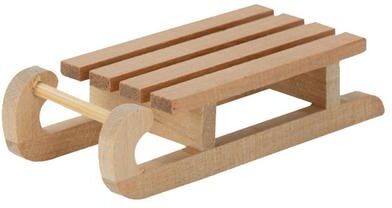
Youfap Market Wooden Sleigh Desktop Craft, Mini Simulation Snow Sled, Non Toxic Ornament For Crafts, Snow Sled Doll House Accessories united StatesAdd a Touch of Winter Magic This mini simulation snow sled brings a charming, festive vibe to any home. Crafted from nontoxic wooden sleigh material, it offers a delightful addition to your holiday or yearround decor. Whether placed on your mantel,...49,97 $*Shipping: 0,00 $Secure redirect to the provider



-
Is there a difference for you between "Hab dich ganz doll lieb" and "Hab dich sehr lieb"?
Yes, there is a difference for me between "Hab dich ganz doll lieb" and "Hab dich sehr lieb." "Hab dich ganz doll lieb" translates to "love you very much" and conveys a deeper level of affection and closeness compared to "Hab dich sehr lieb," which translates to "love you very much" but with a slightly less intense expression of love. The use of "ganz doll" adds an extra emphasis on the depth of the love being expressed. **
-
How can "Hab dich lieb" be interpreted?
"Hab dich lieb" is a German phrase that translates to "I love you" in English. However, it is often used in a more casual or friendly way, similar to saying "I care about you" or "I have love for you." It can be interpreted as a warm expression of affection, typically shared between friends, family members, or close acquaintances. **
-
How could I interpret "hab dich lieb"?
"Hab dich lieb" is a German expression that translates to "love you" in English. It is a casual and affectionate way of expressing love or fondness for someone, similar to saying "I love you" to a close friend or family member. It is often used in a non-romantic context, such as between friends or family members, to convey warmth and affection. **
-
Can I write "Ich hab dich lieb"?
Yes, "Ich hab dich lieb" is a common German expression that translates to "I love you" in English. It is often used to express affection towards friends, family members, or romantic partners. However, it is important to note that "Ich hab dich lieb" is not as strong as "Ich liebe dich," which is the equivalent of "I love you" in a romantic sense. **
How can one respond to "Hab dich lieb"?
One way to respond to "Hab dich lieb" which means "love you" in German, is by saying "Ich dich auch" which means "I love you too." Another way to respond could be by saying "Ich dich auch sehr" which means "I love you very much." It's a sweet and affectionate phrase, so responding with a similar sentiment would be appropriate. **
How should one understand "Ich hab dich lieb"?
"Ich hab dich lieb" is a German phrase that translates to "I love you" in English, but it is often used in a more casual or friendly way compared to the stronger declaration of love expressed by "Ich liebe dich." It is commonly used between friends, family members, or in the early stages of a romantic relationship to show affection and care. Understanding this phrase involves recognizing the nuances of language and cultural differences in expressing love and affection. **
Top-Angebote
Products related to Lieb:
-
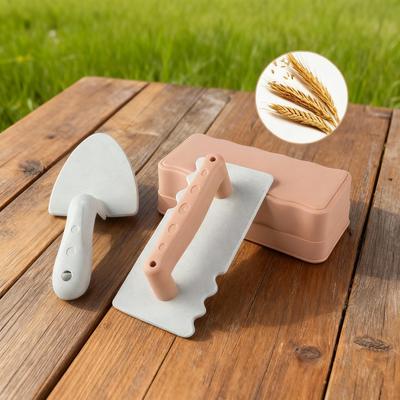
Uplifted Trends Snow Beach Toy Sand Castle Mold Fun Winter & Summer Outdoor Building Toy For Kids bTransform your childs playtime into a magical adventure with the snow beach toy sandcastle mold. Perfect for both winter and summer, this versatile toy allows kids to build their very own sandcastle molds in the snow or at the beach. Whether its...34,97 $*Shipping: 0,00 $Secure redirect to the provider
-
Youfap Market Wooden Sleigh Desktop Craft, Mini Simulation Snow Sled, Non Toxic Ornament For Crafts, Snow Sled Doll House Accessories united StatesAdd a Touch of Winter Magic This mini simulation snow sled brings a charming, festive vibe to any home. Crafted from nontoxic wooden sleigh material, it offers a delightful addition to your holiday or yearround decor. Whether placed on your mantel,...49,97 $*Shipping: 0,00 $Secure redirect to the provider
-
What does "Lieb dich eher," "Hab dich lieb," or "Ich liebe dich" actually mean?
"Lieb dich eher" means "love you sooner," which implies a sense of urgency or immediacy in expressing love. "Hab dich lieb" translates to "I have love for you," indicating a deep affection or care for someone. "Ich liebe dich" means "I love you," expressing a strong and deep romantic love for the person. Each phrase conveys different levels of love and affection in the German language. **
-
Is "Hab dich lieb" not inappropriate?
"Hab dich lieb" is a common German expression that translates to "I love you" in English. It is often used between friends and family members to express affection and care. However, the appropriateness of using this expression depends on the context and the relationship between the individuals involved. In general, it is not considered inappropriate when used in a genuine and platonic manner, but it may be inappropriate if used in a romantic or intimate context without mutual consent. **
-
Is there a difference for you between "Hab dich ganz doll lieb" and "Hab dich sehr lieb"?
Yes, there is a difference for me between "Hab dich ganz doll lieb" and "Hab dich sehr lieb." "Hab dich ganz doll lieb" translates to "love you very much" and conveys a deeper level of affection and closeness compared to "Hab dich sehr lieb," which translates to "love you very much" but with a slightly less intense expression of love. The use of "ganz doll" adds an extra emphasis on the depth of the love being expressed. **
-
How can "Hab dich lieb" be interpreted?
"Hab dich lieb" is a German phrase that translates to "I love you" in English. However, it is often used in a more casual or friendly way, similar to saying "I care about you" or "I have love for you." It can be interpreted as a warm expression of affection, typically shared between friends, family members, or close acquaintances. **
Similar search terms for Lieb
-
Uplifted Trends Snow Beach Toy Sand Castle Mold Fun Winter & Summer Outdoor Building Toy For Kids aTransform your childs playtime into a magical adventure with the snow beach toy sandcastle mold. Perfect for both winter and summer, this versatile toy allows kids to build their very own sandcastle molds in the snow or at the beach. Whether its...34,97 $*Shipping: 0,00 $Secure redirect to the provider
-
How could I interpret "hab dich lieb"?
"Hab dich lieb" is a German expression that translates to "love you" in English. It is a casual and affectionate way of expressing love or fondness for someone, similar to saying "I love you" to a close friend or family member. It is often used in a non-romantic context, such as between friends or family members, to convey warmth and affection. **
-
Can I write "Ich hab dich lieb"?
Yes, "Ich hab dich lieb" is a common German expression that translates to "I love you" in English. It is often used to express affection towards friends, family members, or romantic partners. However, it is important to note that "Ich hab dich lieb" is not as strong as "Ich liebe dich," which is the equivalent of "I love you" in a romantic sense. **
-
How can one respond to "Hab dich lieb"?
One way to respond to "Hab dich lieb" which means "love you" in German, is by saying "Ich dich auch" which means "I love you too." Another way to respond could be by saying "Ich dich auch sehr" which means "I love you very much." It's a sweet and affectionate phrase, so responding with a similar sentiment would be appropriate. **
-
How should one understand "Ich hab dich lieb"?
"Ich hab dich lieb" is a German phrase that translates to "I love you" in English, but it is often used in a more casual or friendly way compared to the stronger declaration of love expressed by "Ich liebe dich." It is commonly used between friends, family members, or in the early stages of a romantic relationship to show affection and care. Understanding this phrase involves recognizing the nuances of language and cultural differences in expressing love and affection. **
* All prices are inclusive of VAT and, if applicable, plus shipping costs. The offer information is based on the details provided by the respective shop and is updated through automated processes. Real-time updates do not occur, so deviations can occur in individual cases. ** Note: Parts of this content were created by AI.