Buy tabog.com ?
We are moving the project
tabog.com .
Are you interested in purchasing the domain
tabog.com ?
domain@kv-gmbh.de · 0541-91531010
Buy tabog.com ?
How does speciation occur in biology?
Speciation occurs in biology when a population of organisms becomes isolated from the rest of its species, leading to genetic differences accumulating over time. These genetic differences can be the result of mutations, natural selection, genetic drift, or other factors. Eventually, the isolated population may become different enough from the original population that they can no longer interbreed and produce viable offspring, leading to the formation of a new species. This process can take thousands or even millions of years to occur. **
How does speciation occur through evolution?
Speciation occurs through evolution when a population of organisms becomes reproductively isolated from the rest of its species, leading to the development of distinct genetic traits and characteristics. This isolation can occur through various mechanisms such as geographic barriers, behavioral differences, or genetic mutations. Over time, these genetic differences accumulate, leading to the formation of a new species that is unable to interbreed with the original population. This process of speciation is a key driver of biodiversity and the development of new species over time. **

Similar search terms for Speciation
Top-Angebote
Products related to Speciation:
-
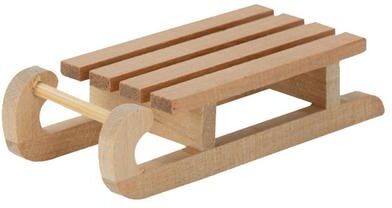
Youfap Market Wooden Sleigh Desktop Craft, Mini Simulation Snow Sled, Non Toxic Ornament For Crafts, Snow Sled Doll House Accessories united StatesAdd a Touch of Winter Magic This mini simulation snow sled brings a charming, festive vibe to any home. Crafted from nontoxic wooden sleigh material, it offers a delightful addition to your holiday or yearround decor. Whether placed on your mantel,...49,97 $*Shipping: 0,00 $Secure redirect to the provider
-
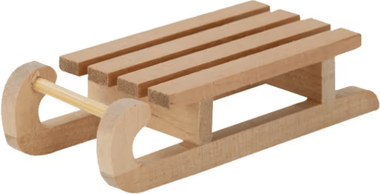
Inspire Picks Mini 1 To 12 Scale Wooden Snow Sled Ornament For Dollhouse And Desktop Decor Mini 1 To 12 Scale Wooden Snow Sled Ornament For Dollhouse And Desktop DecorAdd a touch of cozy winter charm to your miniature scenes. This mini wooden snow sled is crafted in 112 scale, making it a perfect fit for detailed displays and dollhouse settings. Designed with a realistic look and smooth wooden finish, this 112...99,89 $*Shipping: 0,00 $Secure redirect to the provider
-
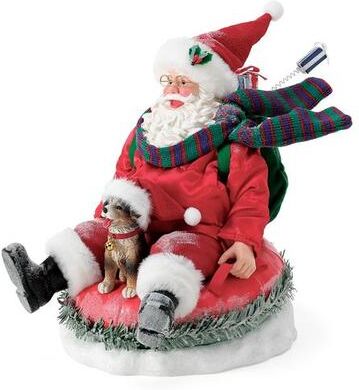
Enesco/Dept 56 Snow Much Fun Clothtique Red , RedThis pup always has Snow Much Fun snow tubing with Santa! The duo wears classic Santa hats as they slide through the glittery snow. Santa wears a shiny red jacket, a striped scarf, and a green bag of toys. One present on a spring appears to be...95,99 $*Shipping: 18,95 $Secure redirect to the provider

-
What are the selection conditions in speciation?
The selection conditions in speciation refer to the factors that drive the divergence of populations into separate species. These conditions include natural selection, genetic drift, and sexual selection. Natural selection acts on the variation within a population, favoring traits that increase an individual's fitness in a specific environment. Genetic drift, on the other hand, is the random fluctuation of allele frequencies in a population, which can lead to the fixation of different alleles in separate populations. Finally, sexual selection can drive the evolution of traits that enhance an individual's ability to attract mates, leading to reproductive isolation and ultimately speciation. **
-
How does speciation occur in mistletoe crows?
Mistletoe crows are a type of bird that have been observed to undergo speciation through a process known as ecological speciation. This occurs when different populations of mistletoe crows become adapted to different ecological niches within their habitat, leading to the development of reproductive isolation. For example, mistletoe crows that feed on different species of mistletoe plants may become genetically distinct over time, leading to the formation of new species. Additionally, geographic isolation can also play a role in speciation, as different populations of mistletoe crows may become isolated from one another and evolve independently. **
-
What is meant by selection conditions in speciation?
Selection conditions in speciation refer to the environmental pressures or factors that drive the evolution of new species. These conditions can include factors such as competition for resources, predation, or changes in habitat. Organisms that are better adapted to these selection conditions are more likely to survive and reproduce, leading to the formation of new species over time. Ultimately, selection conditions play a crucial role in shaping the genetic diversity and evolutionary trajectories of populations undergoing speciation. **
-
What is a mnemonic for the term speciation?
A mnemonic for the term speciation could be "S.P.E.C.I.E.S." where each letter stands for a different aspect of speciation: - S: Separation of populations - P: Population genetic changes - E: Ecological divergence - C: Courtship and mating behaviors - I: Isolation mechanisms - E: Evolutionary divergence - S: Speciation achieved **

What does disruptive selection have to do with speciation?
Disruptive selection can play a role in speciation by driving the divergence of a population into two distinct phenotypic forms, which can eventually lead to the formation of two separate species. This occurs when extreme phenotypes are favored over intermediate forms, causing the population to split into two distinct groups with different traits. Over time, these groups may become reproductively isolated from each other, leading to the formation of new species through the process of speciation. **
What is the difference between allopatric and sympatric speciation?
Allopatric speciation occurs when a population is separated by a physical barrier, such as a river or mountain range, leading to the evolution of two separate species. In contrast, sympatric speciation occurs when a new species evolves within the same geographic area as its parent species, without any physical barriers. Sympatric speciation often involves factors such as ecological, behavioral, or genetic differences driving the formation of a new species within the same habitat. **
Top-Angebote
Products related to Speciation:
-
Uplifted Trends Snow Beach Toy Sand Castle Mold Fun Winter & Summer Outdoor Building Toy For Kids bTransform your childs playtime into a magical adventure with the snow beach toy sandcastle mold. Perfect for both winter and summer, this versatile toy allows kids to build their very own sandcastle molds in the snow or at the beach. Whether its...34,97 $*Shipping: 0,00 $Secure redirect to the provider
-
Youfap Market Wooden Sleigh Desktop Craft, Mini Simulation Snow Sled, Non Toxic Ornament For Crafts, Snow Sled Doll House Accessories united StatesAdd a Touch of Winter Magic This mini simulation snow sled brings a charming, festive vibe to any home. Crafted from nontoxic wooden sleigh material, it offers a delightful addition to your holiday or yearround decor. Whether placed on your mantel,...49,97 $*Shipping: 0,00 $Secure redirect to the provider
-
How does speciation occur in biology?
Speciation occurs in biology when a population of organisms becomes isolated from the rest of its species, leading to genetic differences accumulating over time. These genetic differences can be the result of mutations, natural selection, genetic drift, or other factors. Eventually, the isolated population may become different enough from the original population that they can no longer interbreed and produce viable offspring, leading to the formation of a new species. This process can take thousands or even millions of years to occur. **
-
How does speciation occur through evolution?
Speciation occurs through evolution when a population of organisms becomes reproductively isolated from the rest of its species, leading to the development of distinct genetic traits and characteristics. This isolation can occur through various mechanisms such as geographic barriers, behavioral differences, or genetic mutations. Over time, these genetic differences accumulate, leading to the formation of a new species that is unable to interbreed with the original population. This process of speciation is a key driver of biodiversity and the development of new species over time. **
-
What are the selection conditions in speciation?
The selection conditions in speciation refer to the factors that drive the divergence of populations into separate species. These conditions include natural selection, genetic drift, and sexual selection. Natural selection acts on the variation within a population, favoring traits that increase an individual's fitness in a specific environment. Genetic drift, on the other hand, is the random fluctuation of allele frequencies in a population, which can lead to the fixation of different alleles in separate populations. Finally, sexual selection can drive the evolution of traits that enhance an individual's ability to attract mates, leading to reproductive isolation and ultimately speciation. **
-
How does speciation occur in mistletoe crows?
Mistletoe crows are a type of bird that have been observed to undergo speciation through a process known as ecological speciation. This occurs when different populations of mistletoe crows become adapted to different ecological niches within their habitat, leading to the development of reproductive isolation. For example, mistletoe crows that feed on different species of mistletoe plants may become genetically distinct over time, leading to the formation of new species. Additionally, geographic isolation can also play a role in speciation, as different populations of mistletoe crows may become isolated from one another and evolve independently. **
Similar search terms for Speciation
-
Inspire Picks Mini 1 To 12 Scale Wooden Snow Sled Ornament For Dollhouse And Desktop Decor Mini 1 To 12 Scale Wooden Snow Sled Ornament For Dollhouse And Desktop DecorAdd a touch of cozy winter charm to your miniature scenes. This mini wooden snow sled is crafted in 112 scale, making it a perfect fit for detailed displays and dollhouse settings. Designed with a realistic look and smooth wooden finish, this 112...99,89 $*Shipping: 0,00 $Secure redirect to the provider
-
Enesco/Dept 56 Snow Much Fun Clothtique Red , RedThis pup always has Snow Much Fun snow tubing with Santa! The duo wears classic Santa hats as they slide through the glittery snow. Santa wears a shiny red jacket, a striped scarf, and a green bag of toys. One present on a spring appears to be...95,99 $*Shipping: 18,95 $Secure redirect to the provider
-
What is meant by selection conditions in speciation?
Selection conditions in speciation refer to the environmental pressures or factors that drive the evolution of new species. These conditions can include factors such as competition for resources, predation, or changes in habitat. Organisms that are better adapted to these selection conditions are more likely to survive and reproduce, leading to the formation of new species over time. Ultimately, selection conditions play a crucial role in shaping the genetic diversity and evolutionary trajectories of populations undergoing speciation. **
-
What is a mnemonic for the term speciation?
A mnemonic for the term speciation could be "S.P.E.C.I.E.S." where each letter stands for a different aspect of speciation: - S: Separation of populations - P: Population genetic changes - E: Ecological divergence - C: Courtship and mating behaviors - I: Isolation mechanisms - E: Evolutionary divergence - S: Speciation achieved **
-
What does disruptive selection have to do with speciation?
Disruptive selection can play a role in speciation by driving the divergence of a population into two distinct phenotypic forms, which can eventually lead to the formation of two separate species. This occurs when extreme phenotypes are favored over intermediate forms, causing the population to split into two distinct groups with different traits. Over time, these groups may become reproductively isolated from each other, leading to the formation of new species through the process of speciation. **
-
What is the difference between allopatric and sympatric speciation?
Allopatric speciation occurs when a population is separated by a physical barrier, such as a river or mountain range, leading to the evolution of two separate species. In contrast, sympatric speciation occurs when a new species evolves within the same geographic area as its parent species, without any physical barriers. Sympatric speciation often involves factors such as ecological, behavioral, or genetic differences driving the formation of a new species within the same habitat. **
* All prices are inclusive of VAT and, if applicable, plus shipping costs. The offer information is based on the details provided by the respective shop and is updated through automated processes. Real-time updates do not occur, so deviations can occur in individual cases. ** Note: Parts of this content were created by AI.