Buy tabog.com ?
We are moving the project
tabog.com .
Are you interested in purchasing the domain
tabog.com ?
domain@kv-gmbh.de · 0541-91531010
Buy tabog.com ?
What is the enzyme activity of proteases?
Proteases are enzymes that break down proteins into smaller peptides or amino acids by catalyzing hydrolysis reactions. Their enzyme activity involves cleaving peptide bonds within proteins, leading to their degradation. Proteases play a crucial role in various biological processes, such as digestion, protein turnover, and cell signaling. The activity of proteases is tightly regulated to ensure proper protein function and homeostasis within cells. **
What are the reaction conditions for detergent proteases?
The reaction conditions for detergent proteases typically involve a slightly alkaline pH range of 8-10, as these enzymes are most active under basic conditions. The temperature for optimal activity usually ranges from 40-60 degrees Celsius. Additionally, the presence of metal ions such as calcium or magnesium can enhance the activity of detergent proteases. It is important to note that the specific reaction conditions may vary depending on the type of protease and the detergent formulation. **

Similar search terms for Proteases
Top-Angebote
Products related to Proteases:
-
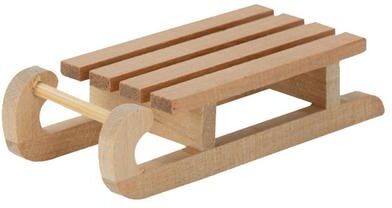
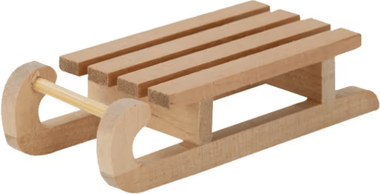
Youfap Market Wooden Sleigh Desktop Craft, Mini Simulation Snow Sled, Non Toxic Ornament For Crafts, Snow Sled Doll House Accessories united StatesAdd a Touch of Winter Magic This mini simulation snow sled brings a charming, festive vibe to any home. Crafted from nontoxic wooden sleigh material, it offers a delightful addition to your holiday or yearround decor. Whether placed on your mantel,...49,97 $*Shipping: 0,00 $Secure redirect to the provider
-
Inspire Picks Mini 1 To 12 Scale Wooden Snow Sled Ornament For Dollhouse And Desktop Decor Mini 1 To 12 Scale Wooden Snow Sled Ornament For Dollhouse And Desktop DecorAdd a touch of cozy winter charm to your miniature scenes. This mini wooden snow sled is crafted in 112 scale, making it a perfect fit for detailed displays and dollhouse settings. Designed with a realistic look and smooth wooden finish, this 112...99,89 $*Shipping: 0,00 $Secure redirect to the provider
-
Enesco/Dept 56 Snow Much Fun Clothtique Red , RedThis pup always has Snow Much Fun snow tubing with Santa! The duo wears classic Santa hats as they slide through the glittery snow. Santa wears a shiny red jacket, a striped scarf, and a green bag of toys. One present on a spring appears to be...95,99 $*Shipping: 18,95 $Secure redirect to the provider


-
How do lipases and proteases lose their effectiveness?
Lipases and proteases lose their effectiveness when they are exposed to extreme pH levels, high temperatures, or denaturing agents. Extreme pH levels can disrupt the structure of the enzymes, rendering them ineffective. High temperatures can cause the enzymes to denature, meaning their structure and function are permanently altered. Denaturing agents, such as certain chemicals or heavy metals, can also disrupt the enzymes' structure and render them ineffective. Overall, any conditions that disrupt the structure of lipases and proteases will lead to a loss of their effectiveness. **
-
Why can lipases only break down fats and proteases?
Lipases are enzymes that specifically target and break down fats because of their unique structure and active site that allows them to interact with and hydrolyze the ester bonds present in fats. Similarly, proteases are enzymes that are designed to break down proteins by targeting the peptide bonds that hold amino acids together in protein molecules. Each type of enzyme is specialized to recognize and act on specific types of chemical bonds, which is why lipases can only break down fats and proteases can only break down proteins. **
-
Why do some proteases have an extremely toxic effect?
Some proteases have an extremely toxic effect because they are able to break down essential proteins in the body, leading to severe damage and dysfunction of vital organs and systems. These proteases can disrupt important cellular processes, leading to cell death and tissue damage. Additionally, some proteases can trigger an excessive inflammatory response, leading to further tissue damage and organ failure. Overall, the ability of these proteases to disrupt normal physiological processes and cause widespread damage contributes to their extremely toxic effect. **
-
Why are proteases and lipases not long-lasting in liquid form in detergents and lose their effectiveness?
Proteases and lipases are enzymes that break down protein and lipid molecules, respectively, in stains. In liquid form in detergents, these enzymes are not long-lasting because they are susceptible to denaturation and degradation by factors such as temperature, pH, and the presence of other chemicals. Additionally, these enzymes can be deactivated by the surfactants and other ingredients in the detergent formulation. As a result, their effectiveness diminishes over time, leading to a decrease in their stain-removing capabilities. **

Will it snow in winter?
The likelihood of snow in winter depends on the specific location and the prevailing weather patterns. In some regions, snow is a common occurrence during the winter months, while in others it may be rare. Factors such as temperature, humidity, and atmospheric conditions all play a role in determining whether it will snow. It is best to consult local weather forecasts and historical data to get a better idea of the likelihood of snow in a particular area during winter. **
Why does snow only snow white in winter? Does the snow know it's not summer?
Snow appears white in winter because of the way light interacts with its crystalline structure. When light hits the complex, irregular surfaces of snowflakes, it gets scattered in all directions, resulting in the appearance of white. The snow itself does not "know" it's not summer; its color is simply a result of its physical properties and the way light interacts with it. In the summer, snow may melt and lose its white appearance, but this is due to changes in temperature and not because the snow "knows" anything about the season. **
Top-Angebote
Products related to Proteases:
-
Uplifted Trends Snow Beach Toy Sand Castle Mold Fun Winter & Summer Outdoor Building Toy For Kids bTransform your childs playtime into a magical adventure with the snow beach toy sandcastle mold. Perfect for both winter and summer, this versatile toy allows kids to build their very own sandcastle molds in the snow or at the beach. Whether its...34,97 $*Shipping: 0,00 $Secure redirect to the provider
-
Youfap Market Wooden Sleigh Desktop Craft, Mini Simulation Snow Sled, Non Toxic Ornament For Crafts, Snow Sled Doll House Accessories united StatesAdd a Touch of Winter Magic This mini simulation snow sled brings a charming, festive vibe to any home. Crafted from nontoxic wooden sleigh material, it offers a delightful addition to your holiday or yearround decor. Whether placed on your mantel,...49,97 $*Shipping: 0,00 $Secure redirect to the provider
-
What is the enzyme activity of proteases?
Proteases are enzymes that break down proteins into smaller peptides or amino acids by catalyzing hydrolysis reactions. Their enzyme activity involves cleaving peptide bonds within proteins, leading to their degradation. Proteases play a crucial role in various biological processes, such as digestion, protein turnover, and cell signaling. The activity of proteases is tightly regulated to ensure proper protein function and homeostasis within cells. **
-
What are the reaction conditions for detergent proteases?
The reaction conditions for detergent proteases typically involve a slightly alkaline pH range of 8-10, as these enzymes are most active under basic conditions. The temperature for optimal activity usually ranges from 40-60 degrees Celsius. Additionally, the presence of metal ions such as calcium or magnesium can enhance the activity of detergent proteases. It is important to note that the specific reaction conditions may vary depending on the type of protease and the detergent formulation. **
-
How do lipases and proteases lose their effectiveness?
Lipases and proteases lose their effectiveness when they are exposed to extreme pH levels, high temperatures, or denaturing agents. Extreme pH levels can disrupt the structure of the enzymes, rendering them ineffective. High temperatures can cause the enzymes to denature, meaning their structure and function are permanently altered. Denaturing agents, such as certain chemicals or heavy metals, can also disrupt the enzymes' structure and render them ineffective. Overall, any conditions that disrupt the structure of lipases and proteases will lead to a loss of their effectiveness. **
-
Why can lipases only break down fats and proteases?
Lipases are enzymes that specifically target and break down fats because of their unique structure and active site that allows them to interact with and hydrolyze the ester bonds present in fats. Similarly, proteases are enzymes that are designed to break down proteins by targeting the peptide bonds that hold amino acids together in protein molecules. Each type of enzyme is specialized to recognize and act on specific types of chemical bonds, which is why lipases can only break down fats and proteases can only break down proteins. **
Similar search terms for Proteases
-
Inspire Picks Mini 1 To 12 Scale Wooden Snow Sled Ornament For Dollhouse And Desktop Decor Mini 1 To 12 Scale Wooden Snow Sled Ornament For Dollhouse And Desktop DecorAdd a touch of cozy winter charm to your miniature scenes. This mini wooden snow sled is crafted in 112 scale, making it a perfect fit for detailed displays and dollhouse settings. Designed with a realistic look and smooth wooden finish, this 112...99,89 $*Shipping: 0,00 $Secure redirect to the provider
-
Enesco/Dept 56 Snow Much Fun Clothtique Red , RedThis pup always has Snow Much Fun snow tubing with Santa! The duo wears classic Santa hats as they slide through the glittery snow. Santa wears a shiny red jacket, a striped scarf, and a green bag of toys. One present on a spring appears to be...95,99 $*Shipping: 18,95 $Secure redirect to the provider
-
Why do some proteases have an extremely toxic effect?
Some proteases have an extremely toxic effect because they are able to break down essential proteins in the body, leading to severe damage and dysfunction of vital organs and systems. These proteases can disrupt important cellular processes, leading to cell death and tissue damage. Additionally, some proteases can trigger an excessive inflammatory response, leading to further tissue damage and organ failure. Overall, the ability of these proteases to disrupt normal physiological processes and cause widespread damage contributes to their extremely toxic effect. **
-
Why are proteases and lipases not long-lasting in liquid form in detergents and lose their effectiveness?
Proteases and lipases are enzymes that break down protein and lipid molecules, respectively, in stains. In liquid form in detergents, these enzymes are not long-lasting because they are susceptible to denaturation and degradation by factors such as temperature, pH, and the presence of other chemicals. Additionally, these enzymes can be deactivated by the surfactants and other ingredients in the detergent formulation. As a result, their effectiveness diminishes over time, leading to a decrease in their stain-removing capabilities. **
-
Will it snow in winter?
The likelihood of snow in winter depends on the specific location and the prevailing weather patterns. In some regions, snow is a common occurrence during the winter months, while in others it may be rare. Factors such as temperature, humidity, and atmospheric conditions all play a role in determining whether it will snow. It is best to consult local weather forecasts and historical data to get a better idea of the likelihood of snow in a particular area during winter. **
-
Why does snow only snow white in winter? Does the snow know it's not summer?
Snow appears white in winter because of the way light interacts with its crystalline structure. When light hits the complex, irregular surfaces of snowflakes, it gets scattered in all directions, resulting in the appearance of white. The snow itself does not "know" it's not summer; its color is simply a result of its physical properties and the way light interacts with it. In the summer, snow may melt and lose its white appearance, but this is due to changes in temperature and not because the snow "knows" anything about the season. **
* All prices are inclusive of VAT and, if applicable, plus shipping costs. The offer information is based on the details provided by the respective shop and is updated through automated processes. Real-time updates do not occur, so deviations can occur in individual cases. ** Note: Parts of this content were created by AI.